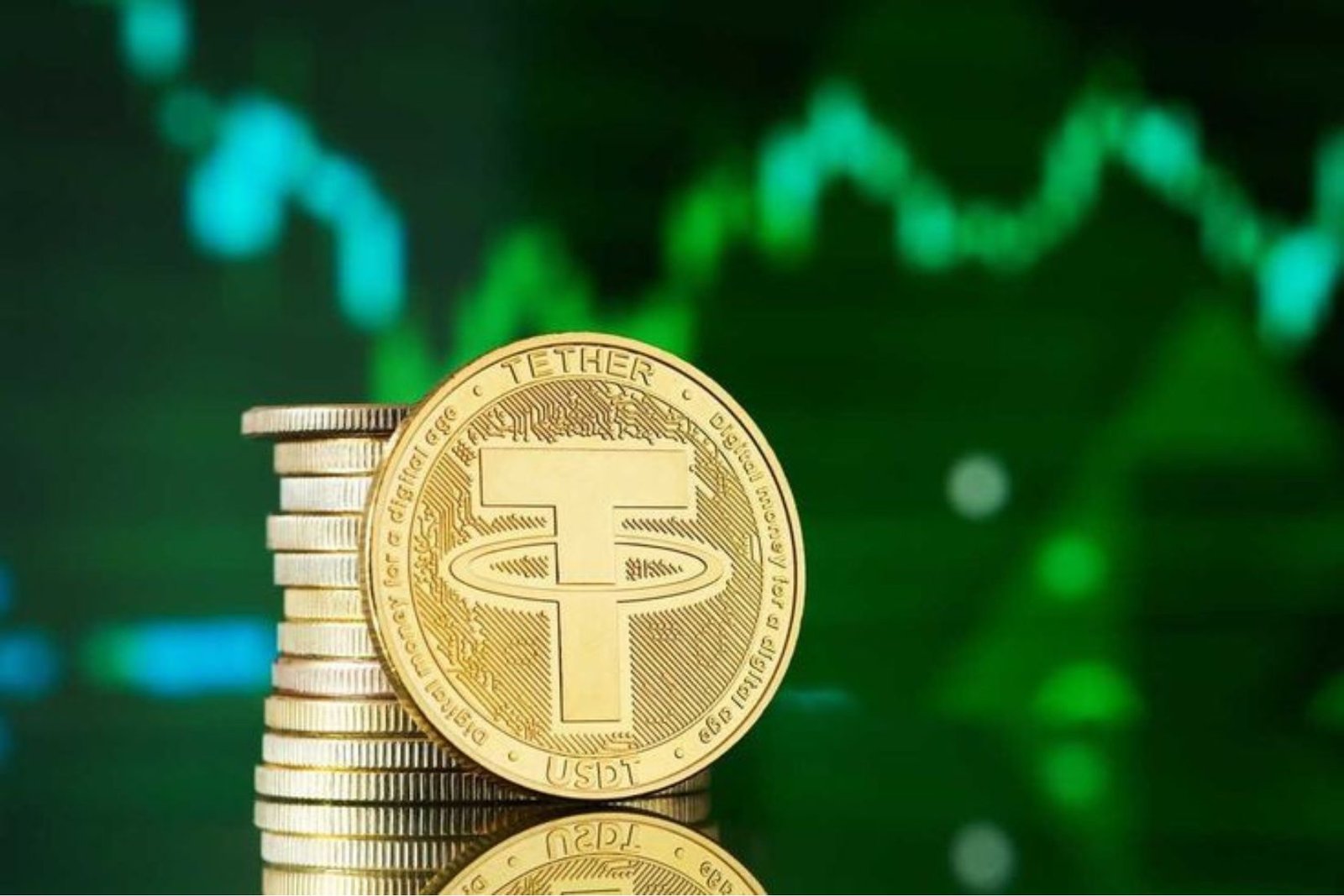
Within the evolving crypto ecosystem, stablecoins like Tether’s USDT have predominantly been viewed through the lens of digital liquidity provision, tethered value stability, and on-chain transactional utility. However, a common misconception equates Tether solely with a blockchain-native stablecoin issuer rather than a multi-faceted financial entity with diverse asset holdings and ambitions outside traditional crypto functions. The move to acquire Juventus Football Club underscores a strategic pivot towards asset diversification, linking crypto reserve management with real-world investments.
This approach reflects broader industry trends where major crypto firms leverage their substantial liquidity to invest in traditional assets, thereby potentially reducing exposure to crypto market volatility. Moreover, the integration of blockchain-native assets such as Bitcoin and gold-backed reserves, combined with non-crypto acquisitions, exemplifies an emerging pattern in ecosystem development, blurring lines between purely digital and physical asset management.
Chronology and context of Tether’s Juventus acquisition offer and its on-chain ramifications

In recent developments, Tether formally submitted a bid to purchase Exor’s 65.4% controlling interest in Juventus Football Club, Italy’s prominent football entity. The bid is notable for being fully funded from Tether’s own balance sheet without recourse to external financing, showcasing the scale of its asset base, which reportedly approaches $200 billion. Subsequent to the primary acquisition, Tether plans a public tender offer for Juventus’ remaining shares at the same valuation—an approach common in corporate acquisitions but relatively unprecedented among crypto-based organizations.
On-chain data analysis indicates no immediate token movements directly related to the bid as Juventus ownership is a traditional equity stake, not a blockchain-based token. However, Tether’s announcement may influence stablecoin circulation dynamics indirectly, reflecting the company’s financial robustness and liquidity. Public disclosures, including social media statements and company tweets, emphasize alignment between the club’s heritage and Tether’s corporate philosophy, underlining long-term resilience rather than short-term speculative gains.
Official perspectives from Tether and Juventus stakeholders on the acquisition proposal

According to the official statement by Tether CEO Paolo Ardoino, the acquisition is framed as a deeply personal and strategic initiative rather than a conventional financial investment. Ardoino describes Juventus as an emblematic institution representing values such as commitment, resilience, and continuity—attributes mirrored in Tether’s operational ethos within the blockchain ecosystem.
Exor, Juventus’ current majority owner, faces a decision influenced by regulatory approvals and shareholder considerations. The bid is subject to due diligence, definitive agreements, and clearance from pertinent authorities, as stipulated in public disclosures. Minority shareholders are expected to receive matching terms in a subsequent offer, adding a layer of corporate governance and equitable treatment customary in public market transactions.
Further official communications cite Tether’s intention to allocate €1 billion towards Juventus’ club development, a commitment aligning with non-financial objectives. This move represents a diversification strategy extending from Tether’s core activities such as USDT issuance, commodity trade finance, healthcare data solutions, and digital asset partnerships in various regions, including Africa.
Regulatory and market factors influencing Tether’s diversification into traditional asset classes

The proposed Juventus acquisition occurs within a complex regulatory landscape characterized by increasing scrutiny over crypto firms’ compliance, asset custody, and cross-border investment activities. The regulatory framework for stablecoin issuers like Tether continues to evolve, focusing on reserve transparency, liquidity sufficiency, and anti-money laundering protocols, particularly in jurisdictions hosting major business operations.
Tether’s move into sports investment reflects structural factors such as the need for credibility expansion, risk distribution, and broader ecosystem integration. Industry dialogues on social platforms and professional forums highlight cautious acknowledgement of this diversification as a natural extension of crypto firms seeking stability through traditional asset classes. However, some market participants underline the challenges inherent in marrying decentralized on-chain models with centralized asset governance typical of football club ownership and legacy corporate entities.
This acquisition bid also comes amid Tether’s recent initiatives like its $1.5 billion commodity trade finance commitment and the launch of regional digital asset solutions, signaling a deliberate and measured scaling beyond the Ethereum, Bitcoin, and Layer 2 staking and DeFi operations frequently associated with digital asset growth narratives.
Observations on market and system-level responses triggered by Tether’s Juventus bid
Following the public announcement, traditional equity markets have yet to exhibit significant Juventus share price fluctuations directly attributed to Tether’s offer, likely due to pending regulatory and shareholder approvals. On the blockchain front, on-chain transaction volumes and USDT circulation maintain established patterns without immediate perturbations, reflecting market participants’ focus on underlying reserve stability rather than M&A activity.
Operationally, Tether’s robust reserves—including $12.9 billion in gold and $9.9 billion in Bitcoin—serve as key metrics for decentralized finance (DeFi) and centralized finance (CeFi) platforms assessing counterparty risk. These parameters are critical for ongoing security audits, regulatory reviews, and maintaining systemic resilience within Layer 1 blockchains like Ethereum and Bitcoin, as well as Layer 2 scaling solutions.
Potential areas of impact warrant monitoring include how this acquisition may influence Tether’s capital allocation strategies, any subsequent shifts in token movements or reserve asset management, and its long-term positioning within blockchain-based financial ecosystems. Nonetheless, broader ecosystem variables such as regulation, network congestion, and market liquidity remain primary factors shaping Tether’s operational dynamics.